
How to Find a Good Builder: 10 Checks Before You Hire
By GuildSelect editorial.
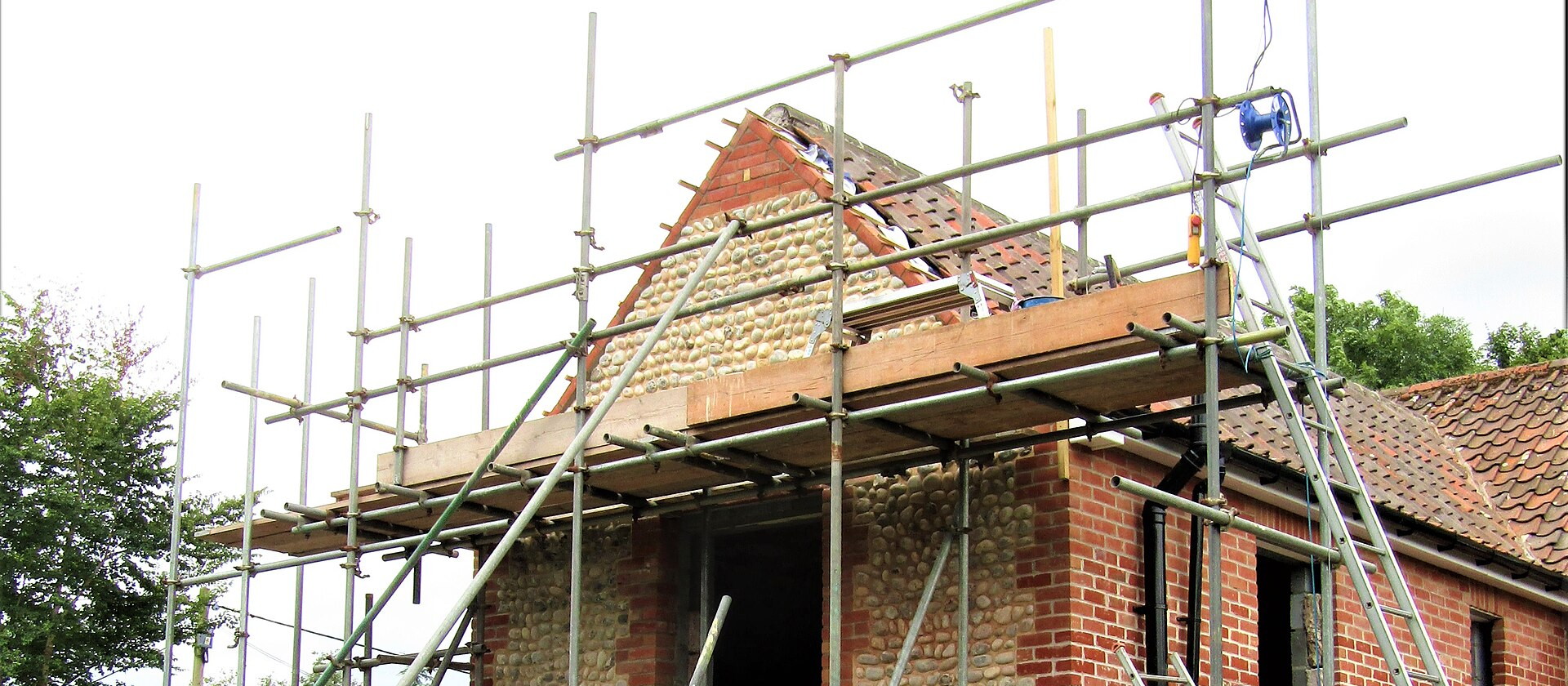
This guide is about builders you hire to work on your home: extensions, lofts, kitchens, repairs. It is not about the large housebuilders that put up whole estates.
How do I find a good builder?
Shortlist builders from sources you can check: a recommendation from someone whose job you have seen, a trade-body register, a directory whose reviews you can read in detail, or work you can look at in person. Then run the checks below on each one: trading history, reviews, insurance, memberships, a written itemised quote and references you actually phone. A good builder will have evidence for every item on that list, and won't mind you asking.
There is no licence to check. Building trades in the UK are unlicensed (FMB), so anyone can call themselves a builder. The checking is down to you.
Where to look for a good builder
Ask people you trust, then ask better questions. Friends, family and neighbours who have had work done are a good start. Don't stop at "were you happy?". Ask whether the final cost matched the quote, how changes were handled and whether the builder came back to fix snags. The FMB also suggests asking tradespeople you already trust, such as an electrician or plasterer, who they'd recommend. A recommendation tells you where to start looking. It doesn't replace your own checks.
Look at work going on near you. If an extension down the road looks well done, the homeowner can usually tell you who built it and what it was like to live through.
Ask your architect or designer, if you have one. They often know builders who suit your kind of project.
Use trade-body registers. The Federation of Master Builders says its members have their completed work inspected before joining, plus trading history, insurance and credit checks. TrustMark is the government-endorsed quality scheme for work in and around the home; its registered businesses are assessed through its scheme providers. Either gives you a stronger starting point than a random search. Neither is a guarantee about the builder you end up choosing, and each is a body with an interest in its own members.
Use a directory, and know what a listing proves. Directories differ a great deal. Some check their members when they join and monitor them; some match homeowners to tradespeople who pay for each introduction. Read the "how it works" page of any directory you use, and look at which checks happen before a listing goes live, which happen afterwards, and where the reviews come from. Our own Guild Standard is one example: it is based on public Google data, and we say exactly what it does and doesn't cover.
The 10 checks to run before you shortlist
Work down this list for each builder. You don't need a perfect score from every source. You need a clear picture from the whole.
| # | Check | How to run it | What good looks like |
|---|---|---|---|
| 1 | Trading history | Ask how long they've traded. If they're a limited company, look them up free at Companies House. | Several years, and a story that matches what they tell you. |
| 2 | Reviews | Read recent reviews across Google and any directory they use, not just the star score. | A pattern over years. Our own bar is 4.6 stars or above from at least 30 reviews. |
| 3 | Similar recent work | Ask for examples of recent jobs like yours, and to visit one if possible. | Completed work you can see, and a builder who is comfortable showing it. |
| 4 | Insurance | Ask to see the policy documents and check the dates. | Public liability in place; employers' liability if they have employees. |
| 5 | Memberships | Check the trade body's own register. Don't rely on a logo on a van. | The business appears on the register today. |
| 6 | Trade registrations | Gas work needs a Gas Safe engineer. For electrical work, look for a competent person scheme. | Registered for the exact work being done. |
| 7 | Written, itemised quote | Ask for a fixed price, broken down by work and materials, with VAT and an expiry date. | A quote that tells you what is and isn't included. |
| 8 | References | Get two or three recent customers with contact details, and phone them. | Customers who answer, and say the cost matched the quote. |
| 9 | Communication | Notice how they respond before you have paid anything. | Prompt replies, plain English, honest about costs and unknowns. |
| 10 | Contract and payments | Ask for a written contract with a payment schedule tied to stages. | Clear scope, dates, payment stages and a way to handle changes. |
Check 1 deserves one note. Companies House only covers limited companies. Many excellent builders are sole traders, and for them the proof is in the reviews, the references and the work you can see.
How do I know if a builder is good?
A good builder leaves a pattern of evidence you can verify, not an impression. Charm and a confident sales pitch are easy to produce. A long run of reviews, customers who will take your call, insurance that is in date and work you can see are harder to fake.
The FMB lists what to look for in how a builder communicates: they respond within a reasonable time, turn up when agreed, listen to what you want, explain technical points plainly and are realistic about costs and timescales. Be cautious if they pressure you to decide, avoid reasonable questions or won't provide documents.
Which is better, Checkatrade or MyBuilder?
We don't think a single answer exists, and we won't pick one for you. They work in different ways, so the useful question is what each one actually checks.
On Checkatrade, tradespeople apply for membership and are checked by Checkatrade, which describes its process on its own site. On MyBuilder, you post a job and tradespeople express interest, and you choose whom to shortlist. Each service describes its own review rules (Checkatrade, MyBuilder).
Whichever you use, a few habits help. Read recent, detailed, local reviews rather than the headline score. Cross-check the builder somewhere else, such as their own Google profile. And treat membership as a starting point, not as a substitute for checks 4 to 10.
How do I spot a dodgy tradesman?
Look for a cluster of signs, not one. No written quote, a demand for a large deposit or cash, pressure to decide today, and no references together are a reason to walk away. One late phone call alone is not. We cover each warning sign in our guide to builder red flags.
Finding a builder for an extension
An extension is a different kind of job from a repaired fence. Ask about recent projects of the same size and type, and how they will handle structural work and the other trades.
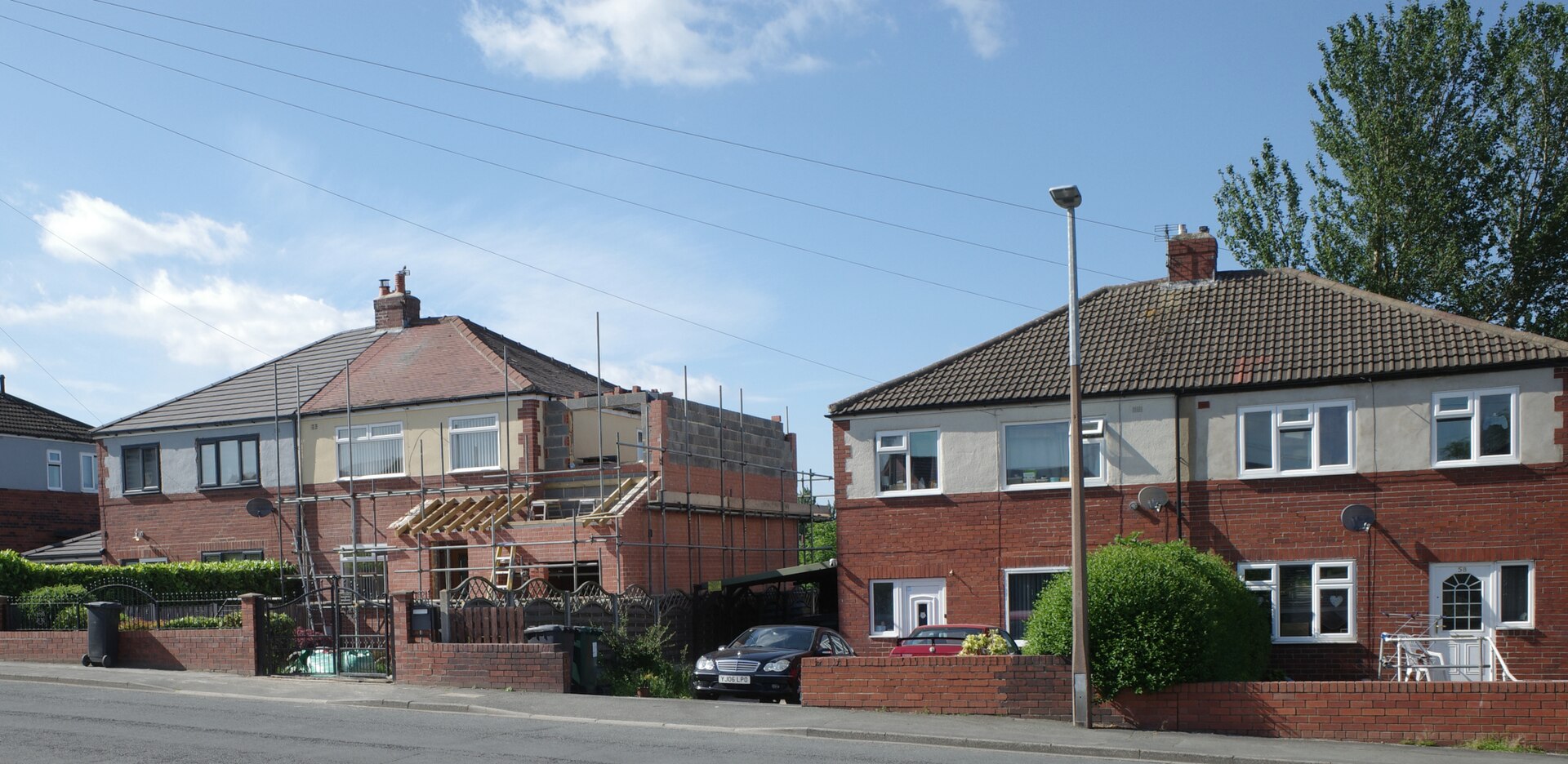
Building regulations and sometimes planning permission may apply. We can't tell you what your project needs. The Planning Portal and your local council can, and Citizens Advice says that if you don't get the approval you need you could be fined, made to put things right, or have trouble selling later. Ask each builder who will handle approvals and sign-off, then check with the council yourself.
Payment structure matters more on bigger jobs. Staged payments tied to finished work, and a small retention held back until completion, are usual. The FMB gives 2.5% to 5% as a common range for retention.
Once you've shortlisted
- Get at least three written quotes. Citizens Advice and the FMB both recommend three. Give each builder the same brief so you're comparing like with like. A much lower price may mean something has been left out.
- Ask for a quote, not an estimate. Citizens Advice describes a quote as a fixed price and an estimate as a rough guess.
- Sign a written contract before work starts. It doesn't need legal language. It needs the scope, dates, payment stages and how changes will be agreed.
- Pay traceably. Citizens Advice says to pay by card if you can, bank transfer if not, not cash, and to keep any deposit as low as possible, never above 25%.
What good looks like
Every item above is something we also look at. The Guild Standard is our reputation check: a Google rating of at least 4.6 stars, at least 30 verified reviews and at least three years of trading, drawn from public data. It covers reputation only. It is not a guarantee, and it doesn't replace seeing the insurance, reading the quote and calling the references.
Next step
If you'd rather start from builders who already meet that bar, browse the builders we've invited. Or keep reading in our guides.