
How Many Quotes Should I Get for Building Work?
By GuildSelect editorial.

Three, for most building work. It is the number the Federation of Master Builders recommends, the number TrustMark tells homeowners to get before starting any work, and enough to show you the range of prices without dragging the project out. But three is a rule of thumb, not a law. A small repair may not need a formal quote round at all, a big extension can justify four, and there is a point where more quotes makes the job worse, not safer. Here is how to get the count right for your job, and what to do when the numbers come back.
How many quotes should I get for building work?
For standard building work such as a bathroom, a re-roof or a small extension, get three written quotes. The Federation of Master Builders recommends three and warns against more than three or four; TrustMark, the government-endorsed quality scheme, tells homeowners to obtain three quotes before starting any work; and Resi, the home extension company, gives the same advice to its own customers.
The reasoning matters more than the number. One quote tells you a price but not whether it is fair. Three show you the spread: what the job looks like priced by three different firms, and a feel for who you actually want in your house for three months.
Around the edges, the count flexes. A minor repair costing a few hundred pounds may not need a formal round at all: one builder you have checked, one written quote, job done. Large or structural projects can justify a fourth quote, because complex scopes leave more room for builders to make different assumptions. What never helps is collecting quotes faster than you can read them.
When two quotes are enough (and when you need four)
| The job | Quotes worth getting |
|---|---|
| Minor repair (a few hundred pounds, one trade) | 1–2 |
| Standard building work: bathroom, re-roof, small extension | 3 |
| Large, complex or structural (big extension, whole-house renovation) | 3–4, itemised |
Two honest caveats. First, these are rules of thumb, not regulations. No rulebook sets the count, and no builder will refuse work because you sought a second opinion. Second, quotes are not always free. The FMB notes that some builders charge for a detailed quote, because producing one takes real hours. On a small job, a paid quote round can cost a noticeable slice of the job itself, one more reason the full three-quote treatment belongs to bigger work.
The problem with getting too many quotes
More quotes feel like more safety. Past four or so, they mostly create work. The FMB is direct about this: requesting more than three or four "can be counter-productive and not the best use of anyone's time", and some builders grow wary of quoting for tenders where more than four firms are in the running.
That wariness costs you the builders you most want. A proper quote takes hours of site visits, measurements and pricing, and good builders are busy. When they see a crowded tender, the strongest ones decline or submit something quick and careless. The field is left to whoever has time to spare, and a cheap outlier from a bidder who needs the work more than they can price it is a red flag, not a bargain.
A practical rule: shortlist from five at most, then invite three to quote. Everyone gets a fair shot, nobody wastes a week pricing a job they won't win, and you keep the reading manageable.
How to compare quotes like-for-like
The count only works if the quotes are comparable, and that is your job as much as theirs. The FMB's instruction is to give every builder the same information: a clear brief, drawings where you have them, your timescale, known access constraints, and who supplies which materials. Same job in, comparable quotes out.
Then read them line by line:
- Scope of works: is the same job described, in the same words' worth of detail?
- Materials: named brands and quantities, or "equivalent"?
- What is excluded: the FMB tells homeowners to check what is included and, importantly, what isn't. Exclusions are where quotes hide their differences.
- VAT: shown, where it applies.
- Payment schedule and deposit: how much, at which stages, against what.
- Duration and clearing up: who is on site how long, and who removes the waste.

Terms you will meet, in plain English: a quote is an agreed price for the described work, binding if the specification doesn't change, as the FMB puts it. An estimate is an educated guess, non-binding, and the final cost can come in significantly higher. An allowance or provisional sum is the builder's placeholder guess for something you haven't chosen yet, such as tiles or a kitchen; the price moves when you choose.
When the quotes come back wildly different
This is the moment the whole exercise is for. Resi gives a real-world shape: three quotes for the same London rear extension might read £44,000, £75,000 and £134,000. Two sit close together; one floats far away.
Diff the scope lines before the price lines. The cheapest quote is often missing something the others include; a vaguer quote is Resi's tell that a builder may not be pricing every element. A much higher quote sometimes means a larger company with more security behind it, and Resi's advice there is simple: ask what the money gets you. Either answer is useful. Silence is not.
Once you know how many quotes to gather, the other half of the question is what the money should look like. Our guide to how much a builder costs covers day rates, fixed prices and what drives the number.
How long should I wait to receive a quote?
A few days to a week is reasonable for most jobs. Bigger scopes take longer, and that is normal rather than evasive. The FMB points out that a detailed quote for a substantial project can take a few weeks to produce, and Resi's planning guidance budgets one to two weeks for the quote stage of finding a builder, inside a three-to-six-week process of meetings, quotes and contracts.
Chase politely once or twice. If silence follows, treat it as information: someone who goes quiet before you have paid them a penny will not get more responsive mid-build. Our red flags guide lists what else to watch for.
How many quotes for a roof specifically?
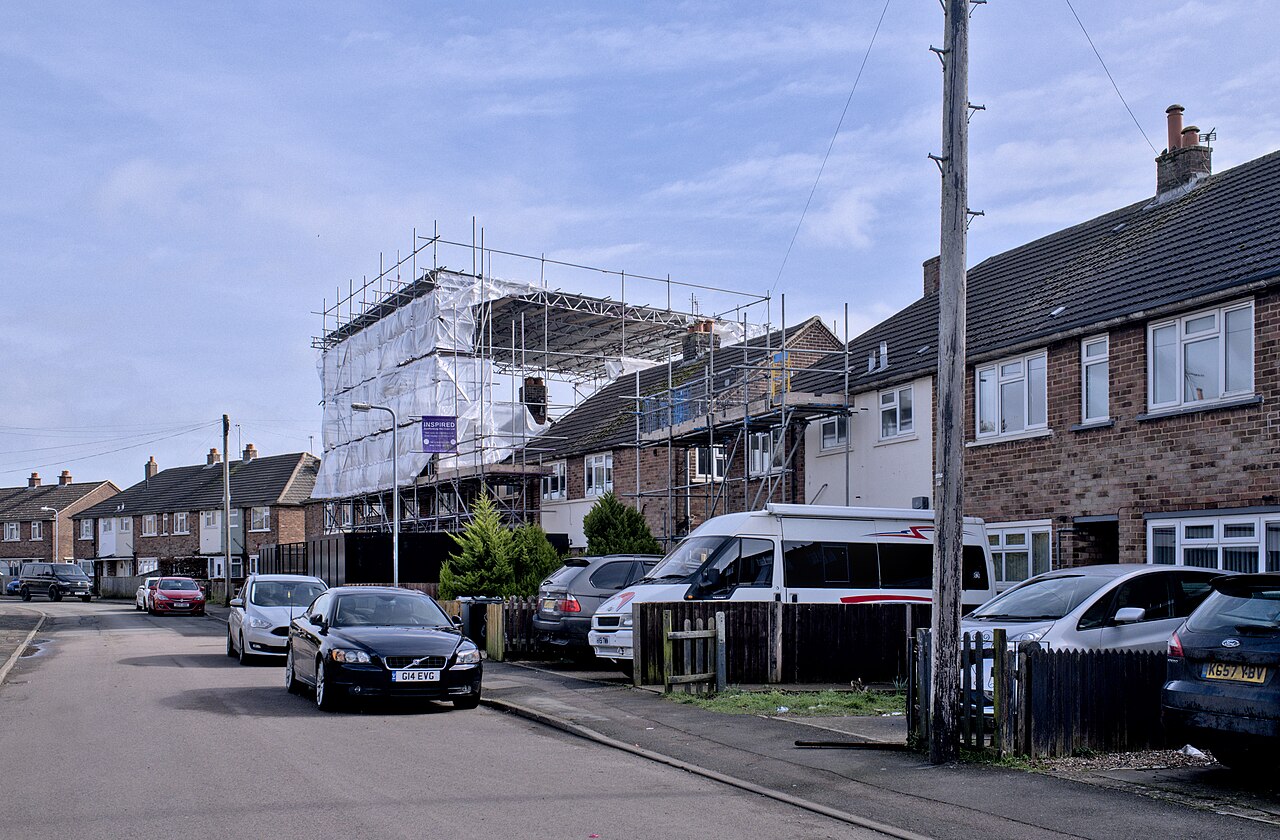
The same three. Roofing adds two wrinkles worth catching in the quotes themselves. Get the material specification written down (tile brand and weight, not "equivalent"), because materials are where roof quotes quietly diverge. And check whether scaffold access is included or excluded: safe access is often a big part of what a roof job really costs, and scaffolder day rates published for 2026 run £280–£320 (Checkatrade, updated April 2026). A quote that looks £900 cheaper may simply be the one that forgot the scaffold.
Who should you invite to quote in the first place?
The count only matters if the shortlist is worth comparing. Start with evidence you can check yourself: the Google reviews on a builder's own listing, open to anyone. The Guild Standard, the bar every builder in our directory already clears, reads only public Google ratings (at least 4.6 stars, at least 30 verified reviews, three years of trading) and no directory's own scores. Directory reputations can vanish with the directory, as Rated People's collapse showed. If you would rather start from builders who already clear that bar, browse the ones we have invited.
Next step
If you are choosing a builder now, browse the builders we have invited: every one already clears the Guild Standard bar. To run the process yourself, start with how to find a good builder, take our twelve questions to the first meeting, and if you are weighing day rates against fixed prices, our 2026 builder cost guide breaks down what the money buys. Everything in our guides is written to work whether or not you use us.