
How Much Does a Builder Cost? UK 2026 Guide
By GuildSelect editorial.
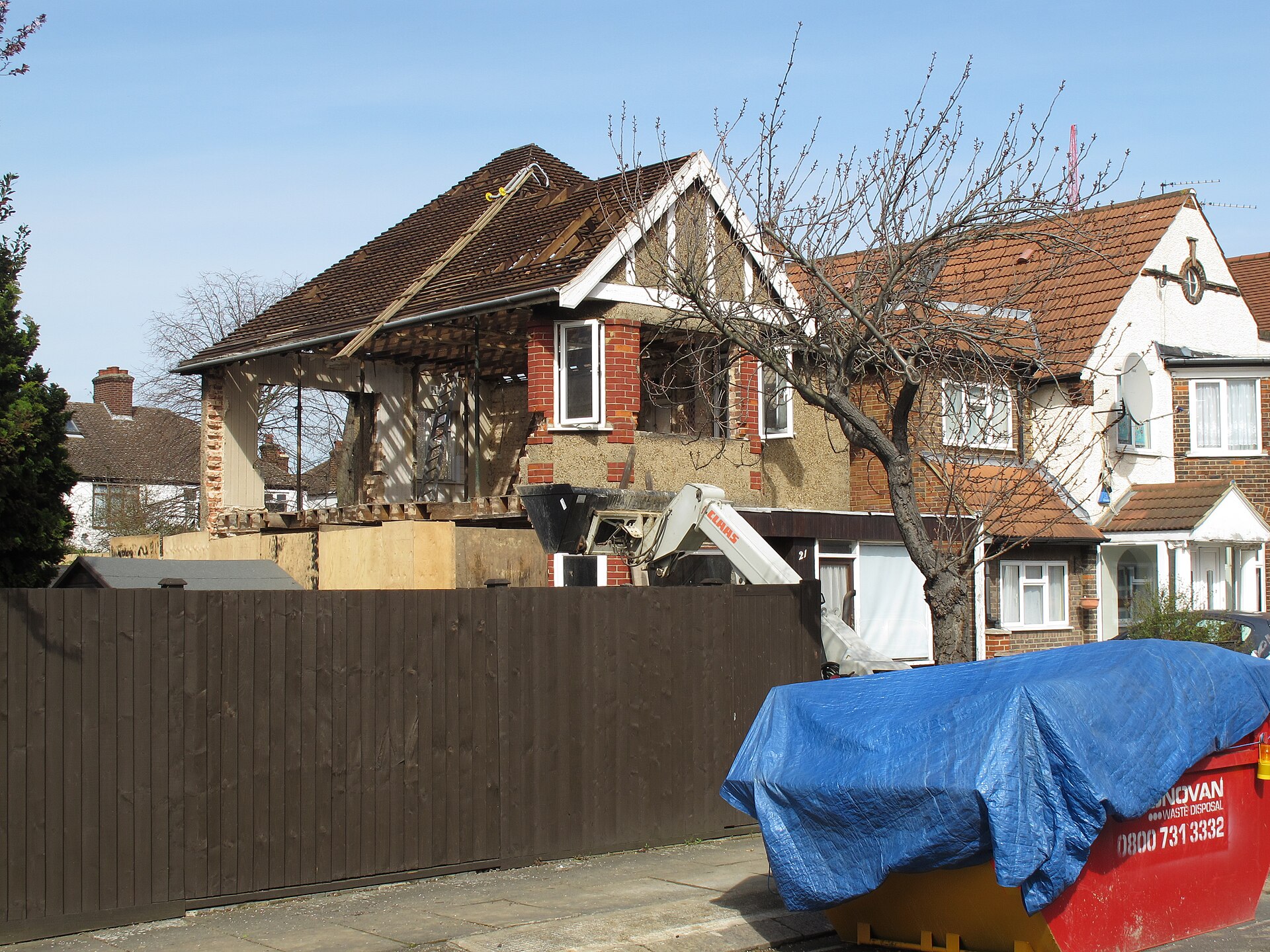
Ask what a builder costs and the honest answer has two parts: how their time is priced, and what your job actually involves. UK builders mostly charge either a day rate for labour or a fixed price for the whole job, and published 2026 figures put a general builder's day rate anywhere from £150 to £400. The range is wide because the work is. This guide explains the two pricing models, what the published rates say, what moves the number up and down, and how to keep the final figure honest before you sign anything.
How much does a builder cost?
Builders in the UK charge one of two ways. A day rate buys one builder's labour for a working day of around eight hours; published 2026 guides put a general builder between £150 and £400 a day (MyBuilder, updated August 2026). A fixed price covers the whole job for an agreed sum. For most home projects, the fixed quote is the number you will actually live with: Checkatrade notes that larger projects are usually quoted as a full job rather than a day rate, because they span several stages, trades and materials.
So the day rate answers "what does a builder's time cost", and the quote answers "what will my job cost". They are different questions, and mixing them up is where budgets go wrong.
Builder day rates in 2026 (UK)
The most useful published figures, with their sources:
| Role | Typical rate (2026) | Published by |
|---|---|---|
| General builder, day rate | £150–£400 | MyBuilder, updated Aug 2026 |
| Builder, average day rate | around £400 | Checkatrade, updated Apr 2026 |
| Labourer, day rate | £112–£360 (MyBuilder); £112–£280 (Checkatrade) | both, 2026 |
| Bricklayer, day rate | £240–£320 | both, 2026 |
| Experienced builder, hourly | around £50 | Checkatrade, Apr 2026 |
| Self-employed builder, hourly | around £40 | Checkatrade, Apr 2026 |
Notice the spread between the first two rows. Trade-side benchmarking sites such as costestimator.co.uk put a general builder's average day rate at £175; consumer-facing guides put it near £400. Some of that gap is who is measuring (charge-out benchmarks against what homeowners actually pay) and some of it is regional. Either way it is the honest proof of a point we will keep making: there is no national going rate, and any single table is one estimate, not gospel.
One thing every source agrees on: a day rate covers labour only. Materials, skip hire, scaffolding and any specialist trades are billed separately. MyBuilder calls this one of the top disputes between homeowners and builders, which is reason enough to get it in writing before work starts.
Day rate or fixed price — which is right for your job?
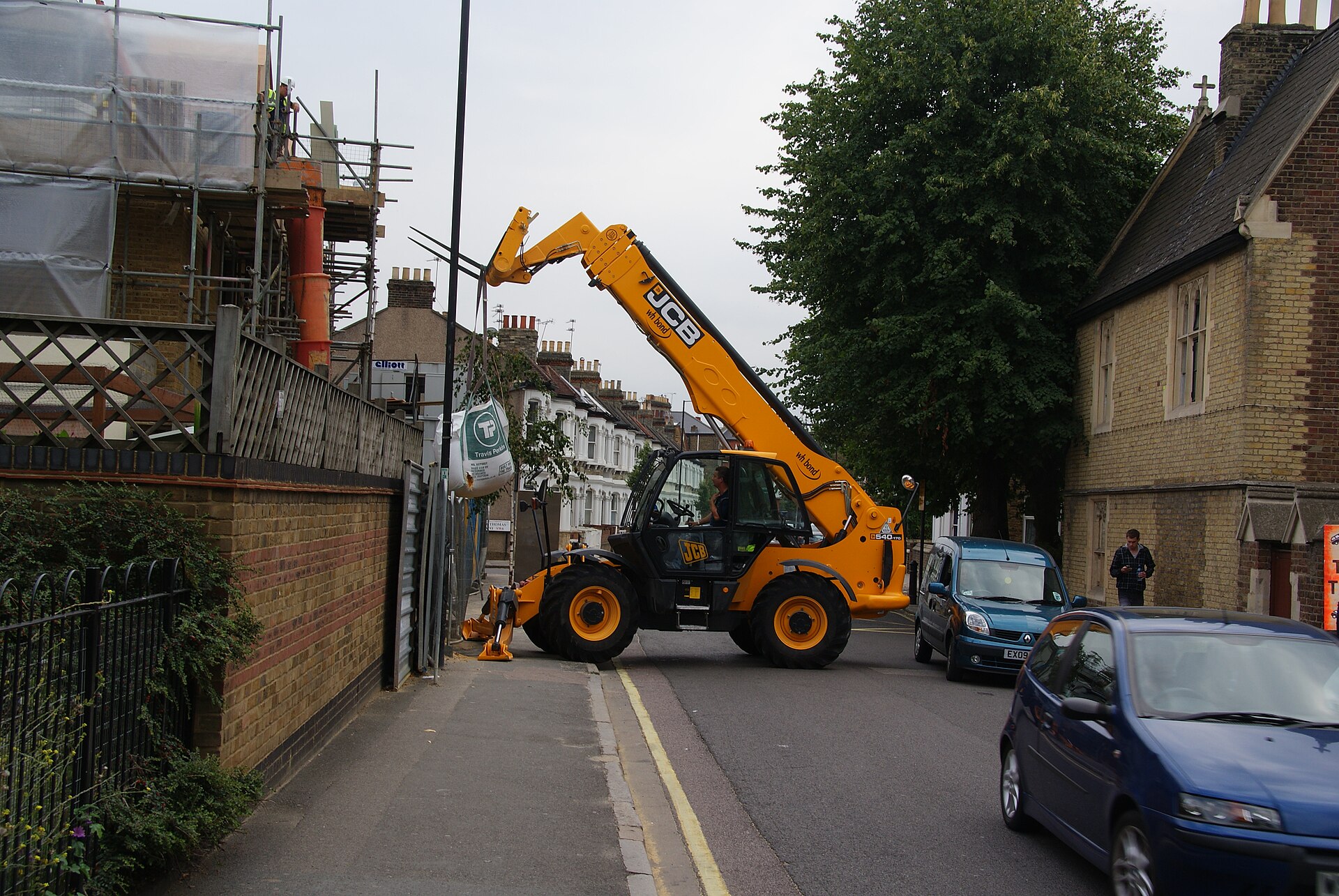
MyBuilder frames the choice cleanly: with a day rate, the risk of a job overrunning sits largely with you. With a fixed price, it sits with the builder, which is why they will only commit to one when the scope is clear enough to price confidently.
A day rate suits work where the scope is genuinely hard to define at the start: structural repairs, renovation jobs where opening up walls may reveal problems, or rolling refurbishment where the spec moves as you go. A fixed price suits defined work: a bathroom fit-out, loft boarding, an extension with full drawings. MyBuilder's own test is worth borrowing: if the honest answer to "what needs doing?" is "we'll see once we get into it", a day rate is the more honest pricing.
Both models carry a risk, just on different sides. Day-rate jobs can sprawl, because every extra day is billable. Fixed quotes are padded for the uncertainty the builder is carrying, which is why two firms with identical day rates can quote the same job thousands apart. Neither is a trick; they are pricing the same unknown from opposite ends. Our questions to ask a builder help you test whichever model a quote uses.
If you do hire on a day rate, agree three things in writing first: the length and shape of the working day, exactly what the rate includes, and a rough timeline you can check progress against.
What is the going rate for a builder?
There isn't one: not nationally, and not even across one city. Region, job size, access, the materials share and the spec move the number more than any table can. MyBuilder's regional data puts London and the South East 20–40% above the national average, and Checkatrade says the same more briefly.
Because tables mislead, here is the same job costed three ways. It is illustrative, not a quote; the anchors are the published ranges above.
A two-week kitchen-diner renovation needing one builder plus a labourer for ten working days, no scaffold, materials separate:
- Lower-cost region: builder £200/day + labourer £130/day → about £3,300 labour
- Mid-range: builder £300/day + labourer £180/day → about £4,800
- London: builder £400/day + labourer £250/day → about £6,500
Add materials (which MyBuilder notes can match or exceed the total labour cost on an extension-scale job), plus a skip (£150–£400, MyBuilder), and VAT at 20% if the builder is VAT-registered.
Same job, same duration, roughly double the labour line. That spread is why "what should I expect to pay" is best answered by your own three quotes, not anyone's table.
What drives the price up (and down)
The up-side, with published numbers where they exist:
- Scaffolding: £600–£1,500 for a standard two-week hire (MyBuilder), almost always a separate line.
- Structural work: more risk priced in than simple repairs.
- Materials share: big on extensions and renovations.
- Region: the London and South East premium.
- Access: awkward sites slow the job; Checkatrade counts parking and travel among the variables.
- Season: demand rises in spring and summer and rates follow (MyBuilder).
The down-side is less about haggling, more about removing surprises: sequencing jobs together so one mobilisation covers two, doing your own prep where it is genuinely sensible, and above all writing a clear brief. The FMB's advice to homeowners is that the more detail agreed before the quote, the less room there is for different assumptions. Fewer surprises means fewer risk margins priced into your quote.
How much should you pay a builder upfront?

Published guidance agrees on the shape and disagrees on the exact numbers, so treat any precise figure as a signpost, not a rule.
Never the whole amount up front. TrustMark tells homeowners to pay only for work that has been done, not in advance, apart from a contribution towards materials when they are bought. MyBuilder advises against paying a large sum upfront and says the final payment should wait until the work is complete and snagging is done.
Deposit size: the sources span roughly 10–30%. Checkatrade advises being "extra cautious" about paying anything over 10% of the project value. The FMB says a small deposit is common on larger projects, with around 10% often used as a guide. MyBuilder calls a deposit of 20–30% reasonable, with the remainder in stage payments. We are not going to pretend that is one number; it isn't. What every source does agree on is that the deposit belongs in the written contract, with a receipt for what you pay.
Staged payments, tied to completed work. The FMB tells homeowners to check the relevant stage is finished before each payment; Resi recommends releasing funds when milestones are met. Final payment after snagging (MyBuilder).
Never cash. Checkatrade, the FMB and TrustMark all say it: pay by a traceable method and keep the invoices. Cash has no record attached, and no record means nothing to fall back on if things go wrong.
One VAT line, as a pointer rather than tax advice: the standard VAT rate is 20% (GOV.UK), so check whether each quote is VAT-inclusive before you compare them.
Quotes vs day rates: how to compare fairly
Whichever way a builder prices the job, the comparison method is the same: give every builder the same brief, then read the scope lines before the price lines. How many quotes to get and how to compare them covers the count and the like-for-like method; our twelve questions earn their keep at the first meeting, where pricing models get agreed.
When the cheap quote is the expensive one
The quotes that come in dramatically low usually share one of three traits: a vaguer scope, items the others include quietly missing, or pressure to pay cash. All three are red flags worth taking seriously before you sign. The check that outlasts any price is the one that survives the builder's own marketing: past customers rating them on Google, publicly, at volume. That is what the Guild Standard reads: at least 4.6 stars, at least 30 verified reviews, three years of trading. Nothing a quote can say beats evidence like that.
Next step
If you are budgeting a build, browse the builders we have invited: every one already clears the Guild Standard bar, so the quotes you compare start from a checked shortlist. Then read how many quotes to get, take the twelve questions to your first meetings, and know the red flags before you sign. More cost guides are in our trade costs section — for decorating work, see how much a painter and decorator costs, and for electrical work, see how much an electrician costs.