
How to Choose a Roofer: UK 2026 Guide
By GuildSelect editorial.
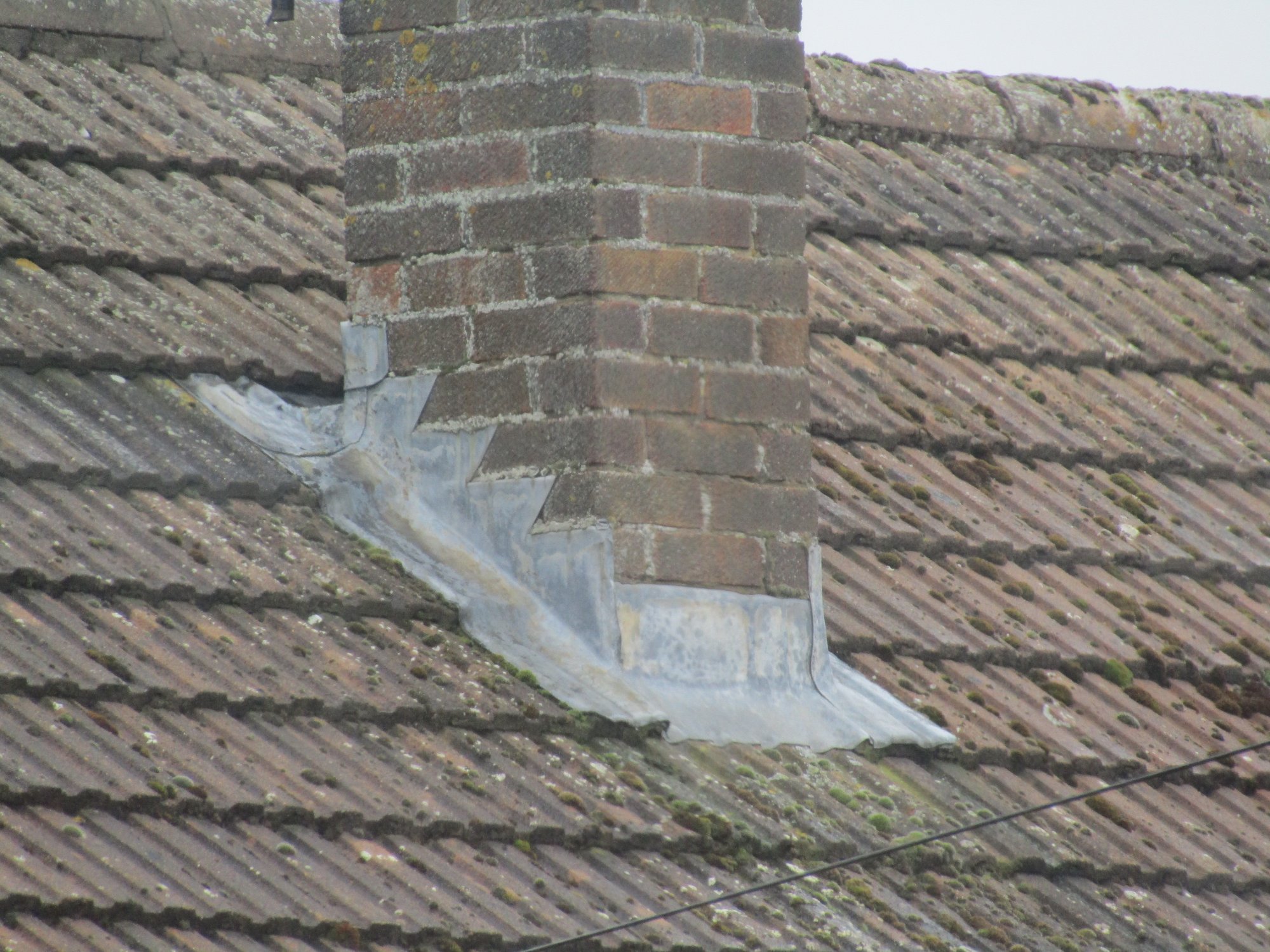
Roofs are out of sight and the work is expensive, so it is hard to know who to trust. Here are five checks to run before you book, the questions worth asking and how to tell a dodgy roofer from a good one.
How to choose a roofer?
Choose a roofer by running five checks before you book. Each takes minutes, and the order matters.
- Registration. A trade body (the NFRC, the roofing trade body, is the main one) or a competent person scheme, with a membership you can look up on the body's own site.
- Public reviews. Google reviews, at volume and recent, rather than a directory badge.
- Trading history. Three years or more, under a company name you can look up.
- A written quote. Naming the materials and listing what is excluded.
- Insurance and payment. A certificate on request, and no demand for the whole sum up front.
What to ask a roofer before hiring in the UK?
Ask every roofer the same questions, so answers compare. Which? says to get at least three quotes; the NFRC says up to three (how many quotes to get).
- Which trade body or scheme are you registered with, and what is the number? Look it up on the body's own site.
- Is this a fixed quote or an estimate? Which? says roofing estimates are common, because the structure under the tiles cannot be seen until they come off. Ask what happens to the price if rotten timber turns up.
- What exactly will you use? Tile or slate type, underlay, battens and ventilation, in writing.
- What is not included? Scaffolding, skip, making good, VAT. Which? lists scaffolding and waste among the things to agree.
- Who will do the work, your own team or subcontractors? Which? lists outsourced labour as a point to agree.
- What guarantee comes with it, and who stands behind it if the firm closes? The NFRC recommends an insurance-backed guarantee, since a closed firm's own guarantee becomes "worthless".
- Can I see your insurance certificate? Which? says to ask for evidence, including public liability and working at height.
- Can I read your Google reviews, or see a job finished over three years ago? The second is one roofing firm's idea, since faults show up over time.
Qualifications and trade bodies: what actually matters for roofing
Roofing has no licence of the gas or electrical kind. We found none in the sources we read: the NFRC calls membership voluntary, and the schemes listed on GOV.UK exist to self-certify building regulations compliance. Two guides in the search results still tell you to ask whether a roofer is "licensed". Ask which body or scheme instead.
Two voluntary routes carry weight. One is a trade body: the NFRC says members are inspected before joining and every three years after, with checks on competence, finances and insurance. The Association of Master Roofers describes annual inspections and audits, and warns that some trade associations have low entry criteria, so read what a body requires before a logo reassures you.
The other is a competent person scheme. GOV.UK lists two authorised schemes for replacing roof coverings: NAPIT and CompetentRoofer, the scheme the NFRC operates. Which? calls CompetentRoofer the only roofing-specific scheme letting roofers in England and Wales self-certify refurbishment work.
The one legal hook: the Planning Portal says re-covering a roof normally needs no building control application if less than 50% of the roof and less than 25% of the building envelope is affected; above that, approval is needed (it covers England; Wales may differ). GOV.UK says you do not need to get approval yourself if you use someone registered with a competent person scheme.
Membership tells you someone outside the firm has looked. It does not tell you your job will go well: a floor, not a ranking.
How to tell a dodgy roofer
The BBC reported on 12 October 2026 that roofing was the most common scam type Citizens Advice recorded in the past year, one in ten of the total, with three quarters of fraudsters using doorstep tactics. Scammers, its chief executive said, "exploit the fact that roofs are out of sight and reach".
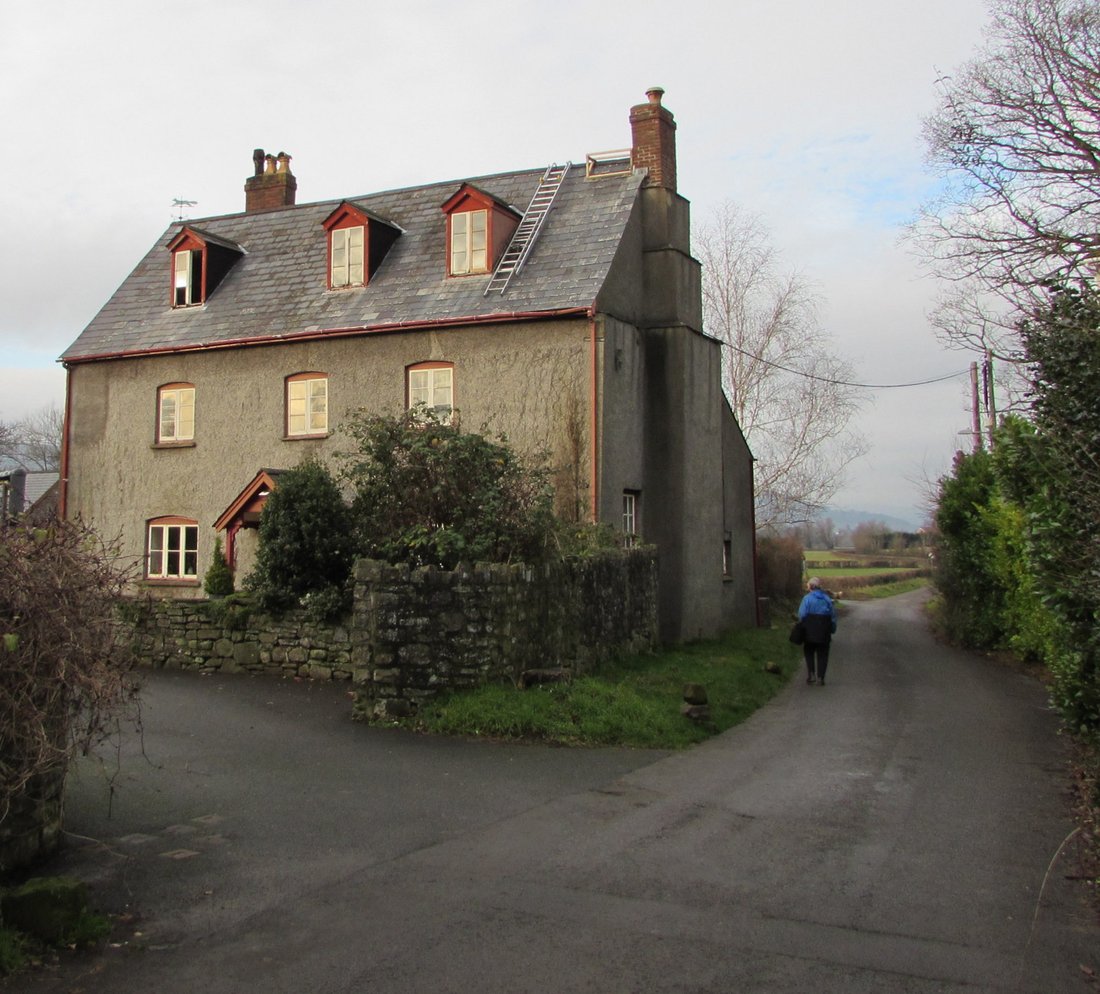
Each warning sign comes with the check that replaces it.
- A knock on the door after a storm. One roofing firm describes the pitch: someone "just passing" who has noticed a problem. Instead: you pick the roofer, from reviews you have read, and you ring them.
- Cash only, or everything up front. A deposit can be normal: Which? says an instalment up front is "not unusual" for a new roof, the last paid when you are satisfied. Full payment before work starts is the warning. Instead: agree a payment schedule in writing. The NFRC says cash or VAT-free deals are not easily tracked down if things go wrong.
- No written quote or spec. Instead: a written quote naming materials, as below.
- "We found more damage." In one case reported by the BBC, an offer to fix a gutter for £250 ended in a £3,500 payment the same evening. Instead: ask for photos of each problem, take a day, and get a second view. Which? suggests inspection by a few traders.
- No traceable company. No company number, no business address. Instead: a name you can look up, a fixed address and a long review history. How to check a tradesperson is qualified shows how.
- Pressure to start today. Limited-time offers, or "leftover materials" from another job. Instead: a roofer who gives you time to compare. The same pattern runs across the trades, as builder red flags shows.
- Vague about insurance. Instead: a certificate on request.
Citizens Advice, via the BBC, adds: ask for references, get everything in writing, and keep photos and receipts.
What reviews can tell you (and what they can't)
Read the Google reviews, not the badge. A badge tells you what the directory checked: Which? says its Trusted Traders pass credit, reference and background checks and have moderated reviews. A Google history shows years of customers on a platform the roofer does not run.
What to read:
- Volume. A score needs a count behind it. On a Birmingham roofer listing page read on 30 October 2026, one firm shows 10.00 from three reviews and another 9.98 from 457.
- Recency. Reviews from this year, not only five years ago.
- Replies. How a firm answers an unhappy customer says more than another five stars.
Testimonials on a firm's own site are a different thing: as one roofing firm puts it, contractors "will obviously only publish positive comments". Reviews cannot tell you whether a roofer is registered or insured, so they are check two of five, not the whole answer.
What a good roofer's quote looks like

A quote you can compare names the work, the materials and the exclusions. An illustration, not a real quote:
Work: strip and re-cover the rear slope. Materials: named tile, breathable underlay, new battens, dry ridge, lead flashing to the chimney, eaves and ridge ventilation. Included: scaffolding (and for how long), skip, making good. Extras: rotten timber priced per metre, agreed before use. Payment: in stages, the last on completion. Guarantee: in writing, insurance-backed if offered.
Which? and the NFRC both say to get quotes and estimates in writing. The Association of Master Roofers adds that extra problems may not show until scaffolding is up, so allow a contingency and agree extras before the work happens.
Our reading: a per-job price protects you when the damage is visible, a day rate suits work of unknown length, and a whole-roof fixed price only protects you if the spec and the extra-timber price are in it. The numbers are in what a roofer costs. A quote far below the rest deserves a question about what it leaves out (builder red flags covers the too-cheap bid).
Why every quote seems to say "new roof"
Because the money sits at the big end: Which?'s survey of Trusted Traders prices a repair in the low hundreds and a whole new roof in the thousands. The person who inspects your roof is usually also the one who would be paid to replace it.
That does not make a "new roof" quote wrong. Roofs wear out, and Which? says repair is not worth it when it will not solve the problem or last. The question is whether the roofer showed you why.
Diagnosis looks like this:
- Evidence. Photos of the specific defects, a loose tile in the hand, the damp patch explained.
- An extent. How much of the roof is affected, in writing.
- Both options. A repair priced beside the replacement, and how long the repair should hold.
Salesmanship looks like a whole roof quoted from the pavement, or a visit that ends in "full replacement" with no photographs. Get a second opinion: Which? says inspection "ideally by a few traders", and some inspect free, so ask about cost first. Our reading: a good diagnosis is worth paying for.
The symptoms are in signs you need a new roof, the sums in what a roofer costs.
The five-minute check before you book
Are they on a trade body's or scheme's own register? Do their Google reviews run to volume and include recent ones? Have they traded for three years or more? Is the quote written, with materials named and exclusions listed? Can they show insurance, without demanding everything up front?
The check that outlasts the others is one a roofer cannot write for themselves: past customers rating them publicly, on Google, at volume. That is what the Guild Standard reads: at least 4.6 stars, 30 verified reviews and three years of trading.
Next step
Browse vetted roofers, then compare quotes line by line. Also: what a roofer costs, signs you need a new roof. More: how many quotes to get, how to check a tradesperson is qualified and all guides.