
How to Find a Plumber You Can Trust (UK Guide)
By GuildSelect editorial.
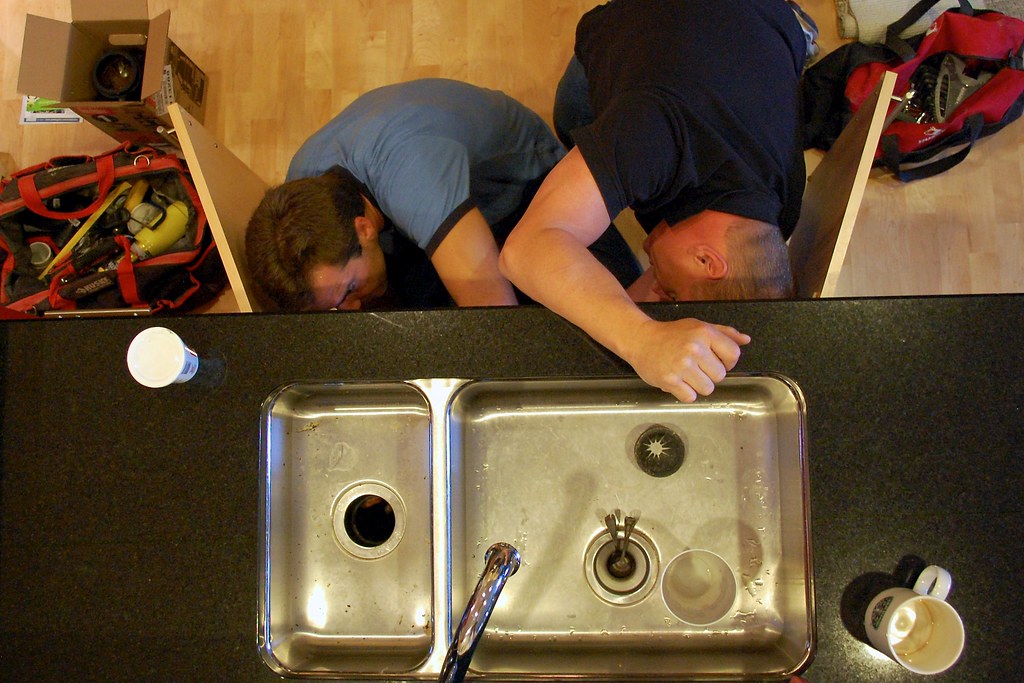
Anyone can call themselves a plumber. This guide sets out the checks that separate a plumber you can trust from one you hope is fine, and what to do when the water is already coming through the ceiling.
How to find a plumber you can trust
Check a register, read public reviews, get the price in writing, and ask for proof of insurance. For water work, the Drinking Water Inspectorate recommends a plumber on the WaterSafe register. For gas work, the engineer has to be on the Gas Safe register. Read the plumber's Google reviews yourself rather than a directory score, and get an itemised written quote before anyone starts.
In an emergency, turn the water off at the stop tap first, then run a faster version of the same checks.
The checks that matter in 2026 (UK)
Run these for each plumber on your shortlist.
| Check | How to run it | What good looks like |
|---|---|---|
| WaterSafe registration | Search the WaterSafe register by postcode. On the day, ask to see their ID card. | On the register, with a matching ID card. |
| Gas Safe | For any work on a boiler, gas fire or gas pipework, check the Gas Safe Register and the engineer's card. | Registered for that type of gas work, shown on the back of the card. |
| TrustMark | A government-endorsed quality scheme. Check the TrustMark register for the specific trade you need — plumbers are listed (verified on trustmark.org.uk, October 2026). | Listed today, for the right trade. |
| Public Google reviews | Open their Google profile and read the reviews, not just the stars. | A long, recent run of specific reviews. Our bar: 4.6 stars or above from 30 or more verified reviews (Guild Standard). |
| Insurance | Ask for the public liability certificate and check the date. | A current certificate, produced without fuss. |
| Written, itemised quote | Ask for a fixed price in writing, split into labour and materials. | Scope, exclusions and VAT stated. |
| Trading history | Ask how long they've traded. For limited companies, search Companies House. | Years of trading that match their story. |
Companies House only covers limited companies. For a sole trader, the reviews and register entries carry the weight.
How can I check if a plumber is qualified?
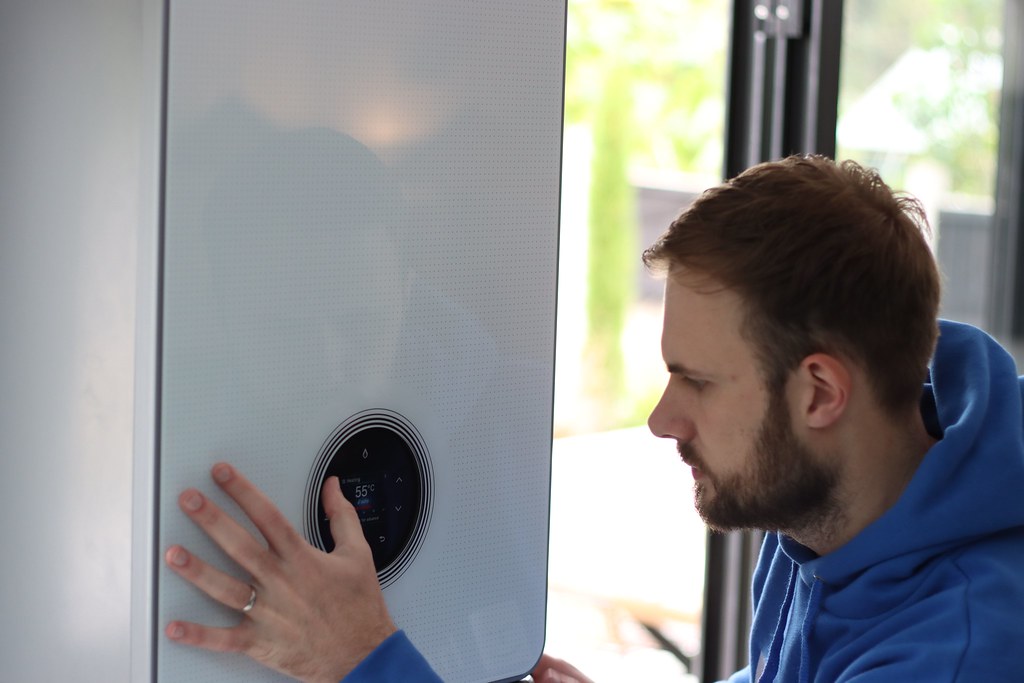
WaterSafe says plainly that anyone can call themselves a plumber, whatever their experience or qualifications. Two parts of the work do carry rules.
Water. The Drinking Water Inspectorate says pipework and fittings in your water supply must comply with the Water Supply (Water Fittings) Regulations 1999, and that owners, occupiers and anyone who works on the plumbing have a legal duty to make sure work meets them. It recommends choosing a WaterSafe member. By its account, approved plumbers have specific training in those regulations, issue a "work completed" certificate, hold public and employers' liability insurance, and have an independent complaints procedure behind them. For major works you may need to notify your water supplier.
To check one, ask to see their ID card, which carries the WaterSafe logo, or contact their approved contractor scheme to confirm membership.
Gas. The Health and Safety Executive says anyone employed to work on gas appliances in a home must be Gas Safe registered and competent for that kind of gas work. Their competencies are on the back of the Gas Safe ID card, and you can check them on the Gas Safe Register website or by phone. Do it before they start.
A caveat. WaterSafe, TrustMark and Gas Safe are registers, and WaterSafe describes itself as industry-backed. TrustMark's register lists plumbers as a category. They show someone has met a floor. They don't show whether this person turns up on time or fixes the problem first time. For that you need reviews, and ideally a recent customer who will pick up the phone.
Reviews that don't lie (and ones that can)
Reviews are the part of vetting the registers can't do for you. Public Google reviews have one advantage: you can open them yourself, read the dates and detail, and see how the plumber answers criticism. A score held inside a directory is only as good as that directory's rules, and you can't see those from outside.
When you read, look for:
- Volume and recency. A run across several years beats a recent burst.
- Specifics. "Replaced the radiator valve, left no mess, texted when running late" beats "Great service".
- Fit with trading age. A plumber who says ten years and has twelve reviews is worth a question.
- Replies. How they answer a bad review tells you more than the stars.
Be wary of clusters of five-star one-liners, and of any score you can only see by joining something.
If you use a directory, ask who collects its reviews, who decides which appear, and what happens to them if the site closes. That isn't hypothetical. When Rated People went into liquidation in September 2026, its profiles and reviews didn't move with its brand. We cover it in what happened to Rated People.
Our Guild Standard is a published bar for reputation: a Google rating of at least 4.6 stars, at least 30 verified reviews and at least three years of trading. It covers reputation only.
How do I ask a plumber for a quote?
WaterSafe's advice is to describe the work in writing or sketch it, ask questions, and expect an experienced plumber to be happy to explain their reasoning. Photos help.
Then ask for a quotation, not an estimate. WaterSafe describes an estimate as a rough guess that isn't binding, and says that outside emergency work you should expect a fixed price in writing before work starts, covering the work and the price. Some jobs can't be priced without a visit, but a fixed price should follow. For what the work should cost in the first place, how much does a plumber cost collects the 2026 published rates — hourly, call-out, day and per job.
Check three things on the paper:
- VAT. WaterSafe notes that VAT, if it applies and isn't included, adds a further 20%. Ask before you compare.
- Guarantees. Is the work guaranteed, and for how long? Do supplied parts, such as a boiler, carry a warranty?
- Dates, for bigger jobs, in the contract.
On payment, TrustMark's advice is not to choose on price alone, not to pay cash instead of a properly invoiced job, and to pay for work done rather than in advance, though you may be asked to cover materials as they're bought. For how many quotes to collect, see how many quotes should I get. Most of our questions to ask a builder work on plumbers too.
Red flags to walk away from
One late phone call isn't a red flag. A cluster is.
- No register entry or card. "My mate does the gas" is not an answer.
- Nothing in writing. WaterSafe notes that cowboy traders may avoid giving formal quotes.
- Cash only, up front. TrustMark advises against cash instead of a proper invoice, and against advance payment.
- Scare tactics. WaterSafe's rogue-trader advice, developed with the Trading Standards Institute, says to be wary of "urgent" work and get a second opinion before paying.
- A mobile number and nothing else. No business name, address or traceable reviews.
- A directory badge with no reviews behind it. A badge is a membership, not a track record.
The instincts are the same as for builders: see builder red flags and how to find a good builder.
Emergency vs planned work
A burst pipe is an emergency. A dripping tap or a slow radiator is a Monday-morning job, with time for every check in the table.
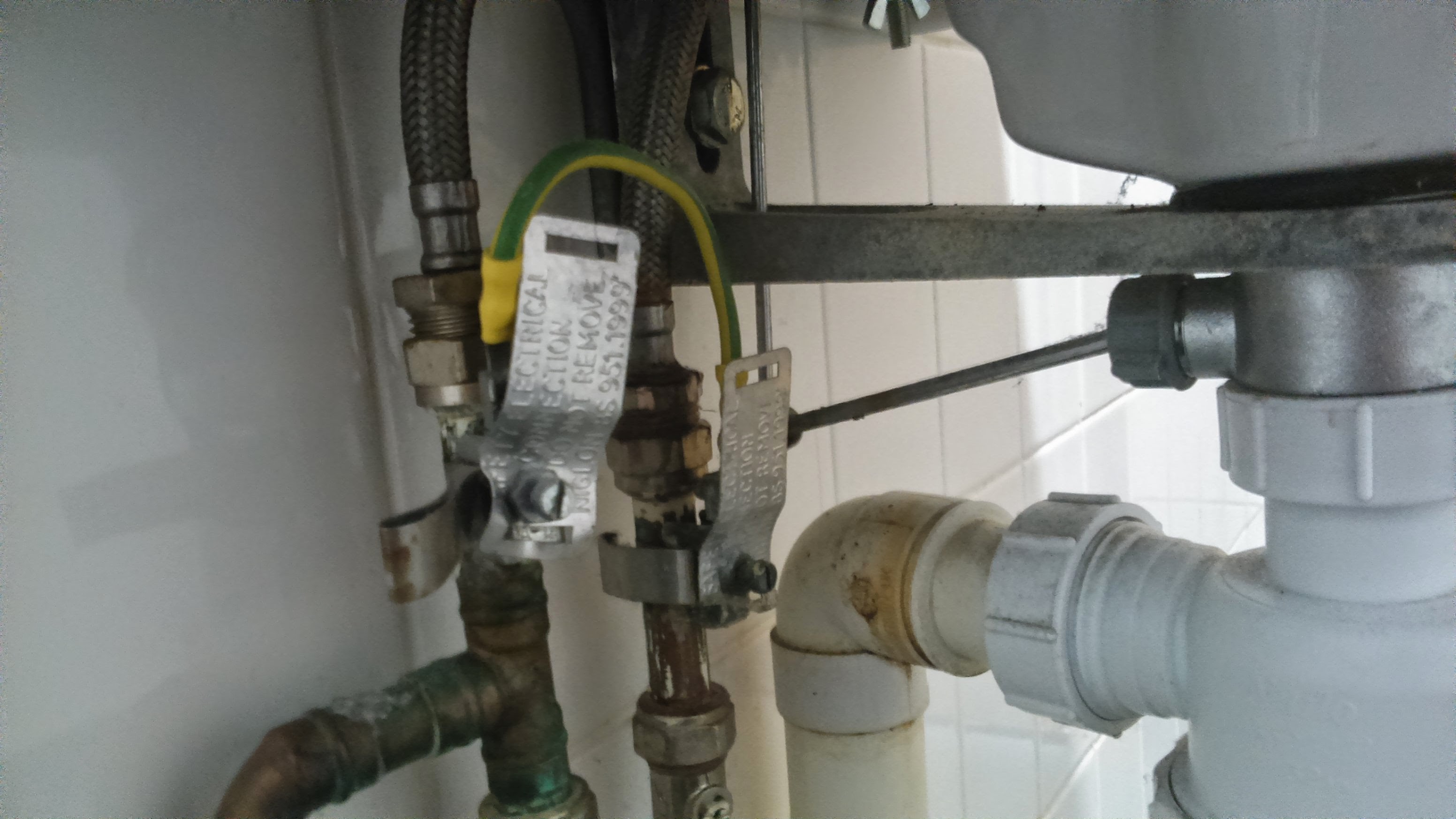
When it is an emergency, WaterSafe's burst-pipe guidance starts at the stop tap: usually under the kitchen sink, sometimes in a cupboard, garage or cellar, turned clockwise to close, never forced. It then says to turn off the heating, and that if water has reached the electrics, switch off at the mains first. Follow WaterSafe's own steps rather than our summary, and see its page on finding your stop tap. If you smell gas, HSE's advice is to call the National Gas Emergency number, 0800 111 999, open doors and windows, and shut off the gas at the meter if you know where it is (HSE domestic gas FAQs, read 17 October 2026).
Once the water's off, fast-vet. Check the register by postcode. Notice whether they ask what you can see and give a straight answer on price. Get the price and call-out terms by text before they set off (WaterSafe expects a fixed written price outside emergency work only). Ask for ID when they arrive. Do the rest, reviews and insurance included, once the pipe is dry.
"24/7" or "emergency plumber" on a van or a listing proves nothing. It describes opening hours, not training, insurance or honesty. And if a plumber on site says more work is "urgent", get a second opinion before paying, as WaterSafe advises.
Finding a plumber you can trust, the short version
The registers show the floor. Public Google reviews show the reputation. The written quote shows the scope. A plumber who resists all three has told you what you needed to know before you paid anything. Our Guild Standard is a bar for the reputation part, and only that.
Next step
If you'd rather start from plumbers who already meet that bar, browse vetted plumbers. Or keep reading in our guides.