
How Much Does an Electrician Cost? UK 2026
By GuildSelect editorial.
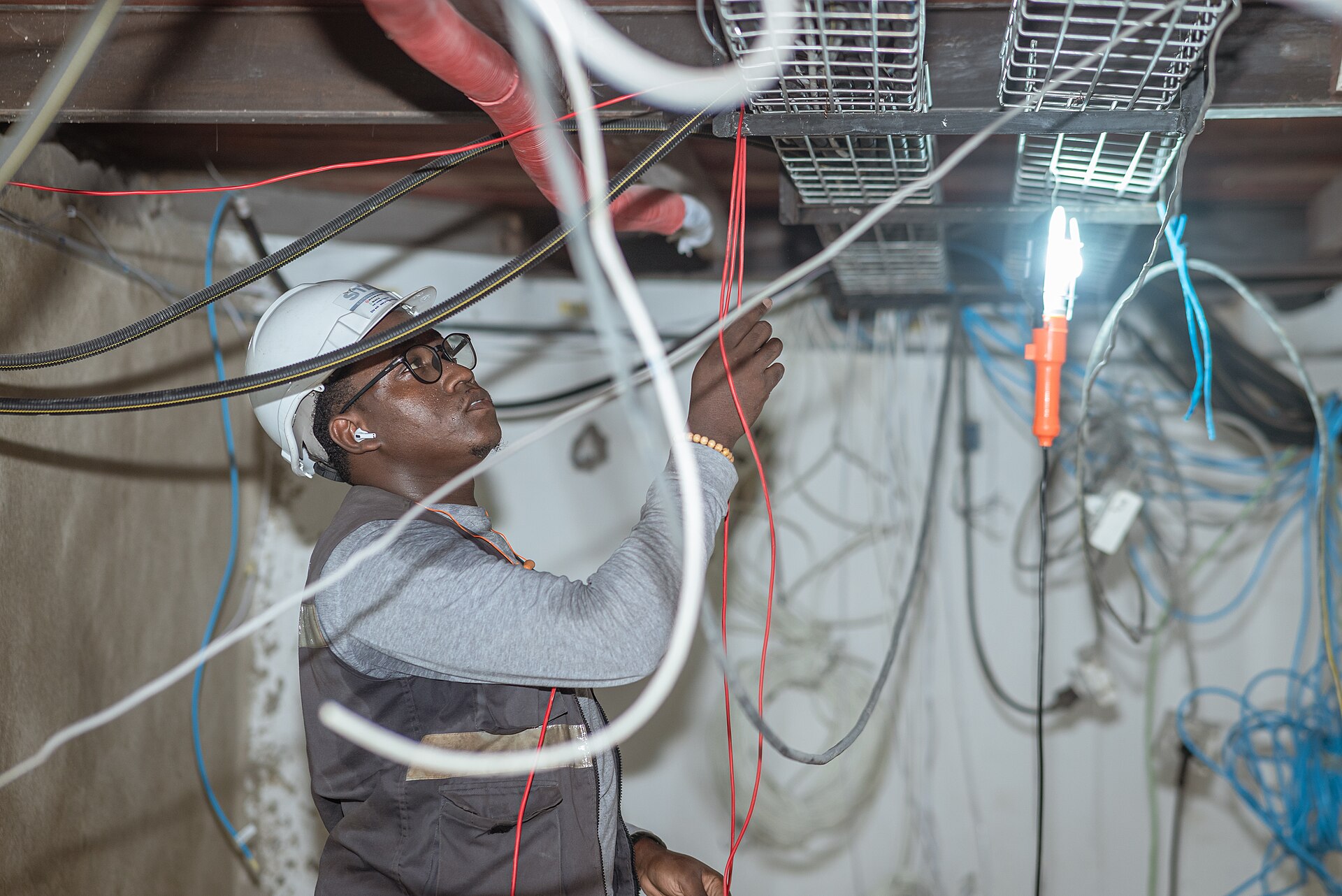
An electrician will quote by the hour, by the day, or one price for the job, and quotes in different units cannot be compared on sight. This guide sets out what 2026 guides say, disagreements left in, and how to compare quotes priced differently.
How much does an electrician cost?
Published 2026 guides put an electrician's hourly rate at roughly £40 to £95, most of them clustering around £45–£70, plus a minimum charge on small jobs. A day rate is usually quoted at about £300 to £600.
Most home jobs are not priced that way. A socket or light fitting is a per-job price in the tens of pounds to low hundreds; a consumer unit (fuse box) a fixed price in the hundreds; an electrical safety check (EICR) a fixed price by size; a rewire a quote in the thousands. Use the hourly rate to sanity-check a quote, and the job price to compare quotes.
How much does an electrician cost per hour in the UK?
The guides disagree, some with themselves:
- Checkatrade (page dated May 2026, read 19 October 2026): £40–£70, around £55, in its rates table; £45–£60, around £50, in its summary and FAQ.
- MyBuilder (updated 21 August 2026): around £45, up to £60 in London and the South East.
- Housekeep (October 2026): £50–£95 including VAT.
- WhatPrice (last updated September 2025): £40–£75, the top end mostly London and inner cities.
A London firm's guide (August 2026) puts London at £55–£90; a Glasgow firm's (October 2026) puts Scotland at £42–£58. We read this as "roughly £40 to £75, higher in London", and no more precisely.
The hourly figure hides what matters on a small job: the first hour or minimum charge. WhatPrice says a one-hour minimum is common, then half-hours. Checkatrade's London example is £100 for the first hour, then £45. So the cheapest hourly rate is not always the cheapest job.
What are the typical day rates for electricians in the UK in 2026?
For a homeowner, a day rate means one electrician for a working day, usually seven to eight hours. Published figures: Checkatrade around £400 (summary) or £500 (table), MyBuilder £335, Housekeep £350–£665, WhatPrice £200–£600, a Glasgow firm £300–£450. Checkatrade's table calls £500 "based on 8 hours at £55", which multiplies to £440: ballparks, not arithmetic.
Checkatrade says day rates fit larger installs, grouped small jobs, renovation wiring, consumer units and remedial work. MyBuilder adds that a day can cover several tasks and avoid repeat call-out fees. Our reading: you are paying for the electrician's time, so it pays off only if there is a day's work.
Day-rate searches mostly return pages written for electricians. Total Skills, a training provider, notes that JIB rates are nationally agreed pay for employed electricians, which is not what a private job costs. It gives £250–£350 a day for self-employed domestic work (April 2026); Logic4training's June 2026 survey of electricians averaged £312. Both are trade-side data points.
Ask what the day covers: hours, materials, VAT, and whether a second person is included.
What is a reasonable call out fee for an electrician?
The guides give a wide spread. MyBuilder: £40–£90 on average (£50–£100 urban, £20–£50 elsewhere), though its hourly page says £80–£150. WhatPrice: £100–£150 (September 2025). A Glasgow firm: a minimum call-out charge of £65–£120. Distrust any single number.
Two things get lumped together: a call-out fee pays for the electrician getting to you; a minimum charge is the smallest block of time they will bill, often the first hour, sometimes with travel and basic fault-finding included (Checkatrade). Some firms charge both. WhatPrice says a call-out fee often covers the first hour, but not always.
MyBuilder lists pre-arranged work, larger projects and nearby jobs as cases where the fee may be waived, and Housekeep says some firms deduct it if you go ahead. Fees are common practice; a fair firm tells you the amount before you book.
Emergencies cost more. Checkatrade gives £80–£100 an hour, MyBuilder £75–£125 (25–50% extra out of hours), WhatPrice £100–£200.
Typical job prices
| Job | Published range, 2026 | Usually priced as |
|---|---|---|
| Extra socket | £25–£100 (Checkatrade £55–£75; MyBuilder £25–£80; Housekeep £50–£100 per double) | Per socket, or per visit |
| Light fitting / pendant swap | £40–£120 (Checkatrade £55–£75; MyBuilder £40–£120; Housekeep £60–£120 a spotlight) | Per fitting, or hourly |
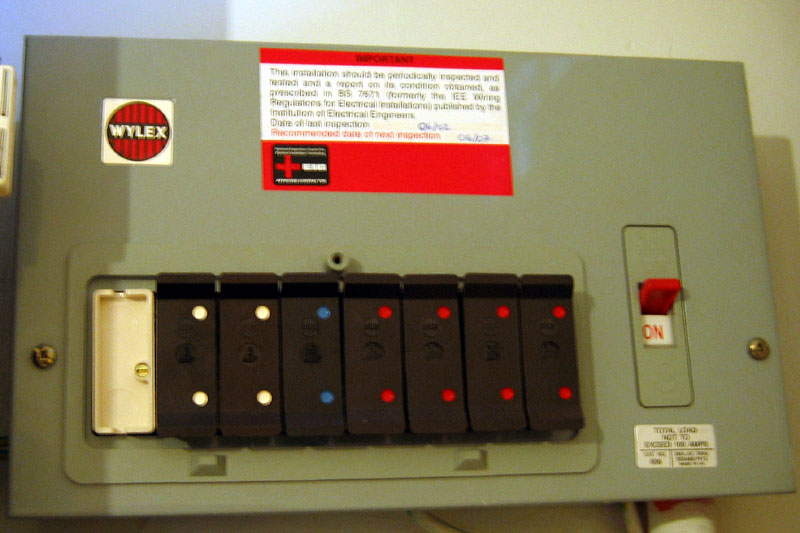
| Consumer unit (fuse box) | £250–£1,000 (Housekeep £250–£480; WhatPrice £270–£750 ex VAT; Checkatrade £450–£800; Logic4training survey £780–£1,000) | Fixed price |
| EICR (whole-house test) | £80–£300+ (MyJobQuote £80–£250 by size; Housekeep £80–£200; Checkatrade £125–£300+) | Fixed price by property size |
| Partial rewire | No separate price published; MyBuilder and Logic4training give £1,500–£10,000, partial or full | Quoted after a survey |
| Full 3-bed rewire | roughly £3,000–£10,000 (WhatPrice £3,100–£4,500; Checkatrade £3,900–£10,000; a London firm £4,500–£8,000) | Fixed price after a survey |
Housekeep's figures include VAT and span its UK and London columns, WhatPrice's consumer unit prices exclude it, and Checkatrade's table is headed "Cost + VAT": ask which applies. Checkatrade says making good, such as plastering or repainting, often is not included. WhatPrice's figures date from September 2025.
Hourly rate, per-job price, or day rate: which protects you?
None is a trick: they price the same unknown from different ends. This is our reading, not published fact, except where cited.
Hourly suits a fault where nobody knows the cause. The risk is yours: the clock runs while they find it. Ask for a rough ceiling and a call before going past it.
Per job suits defined work: sockets, a consumer unit, an EICR. Checkatrade notes that if a fixed-price job overruns you still pay the agreed quote. The risk is exclusions: making good, chasing out, certification.
A day rate suits several tasks or multi-day work. The risk is paying for a day a job does not need.
Comparing two quotes
Checkatrade says to check whether you are looking at an hourly estimate or a fixed price, since "two quotes can look very different on paper even when the final price ends up similar". Convert both to the whole job, then ask what is left out.
An illustration, not real quotes: four new double sockets in a home office, with Checkatrade's £55–£75 per socket as the sanity range.
Quote A: £50 an hour plus a £60 call-out, "about four hours". Materials extra. Nothing said about chasing out walls or making good. Quote B: £300 fixed. Four doubles, chasing out, making good to bare plaster, materials, test certificate.
A comes to £260 on its estimate, before materials and any extra hour at £50. B covers the lot. The hourly quote is cheaper on paper and could be dearer by the end. Put both on one scope, in writing; how many quotes to get covers the like-for-like method, and the questions to ask work for an electrician too.
EICR: what a wiring check costs and why
An Electrical Installation Condition Report is an inspection and test of a home's wiring by a registered electrician. Electrical Safety First says the report either confirms the installation is safe or highlights hazards to fix, and recommends owner-occupiers have one every ten years.
Price is mostly fixed by size. MyJobQuote (29 September 2026) gives £80–£100 for a one-bed house and £220–£250 for six bedrooms or more, with a typical 2–3 bed at £120–£150. Housekeep's range runs £80–£140, or £100–£200 in London. Circuits, access, and the age and condition of the wiring change the price (MyJobQuote). No guide we read gives a reliable duration, so ask when booking.
Faults found are charged on top: MyJobQuote notes remedial work, such as a new consumer unit, is extra, so the test price is not the repair price.
Electrical Safety First says an EICR is not required to sell a home, though it can reassure a buyer. For notifiable electrical work, see gov.uk's Approved Document P; Electrical Safety First has a register search.
What drives the price up (and down)
Up:
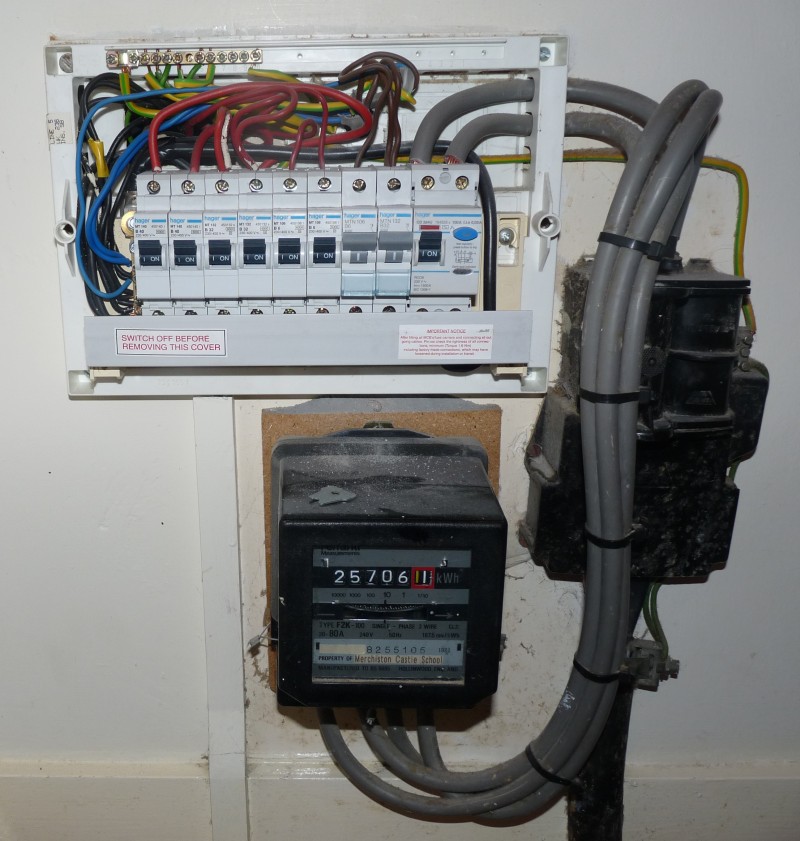
- Access and existing wiring. Lofts, floors, chasing walls, older systems and remedial work add time (Checkatrade).
- Making good. Plastering and repainting after cutting into walls is often excluded (Checkatrade).
- Region. Housekeep says London tops out around 20–25% higher; rural jobs may add travel.
- Materials. If your electrician buys them, Housekeep says expect about 20% on top.
Down: group small jobs into one visit (Checkatrade, MyBuilder), book non-urgent work in normal hours, and ask for a fixed price on defined work.
When the cheap quote is the expensive one
A vague scope, making good left out and certification unconfirmed are how a cheap quote gets dear. Checkatrade's checklist says to get everything in writing before work starts. A price far below the rest is one of the red flags to check. The check that outlasts any price is the one the electrician cannot write themselves: past customers rating them on Google, publicly, at volume. That is what the Guild Standard reads: at least 4.6 stars, at least 30 verified reviews, three years of trading.
Next step
Browse vetted electricians, then compare their quotes line by line. To pick the right person for the job, read how to choose an electrician. The same pricing logic for bigger jobs is in how much a builder costs and how much a painter and decorator costs. Before you sign, read how many quotes to get and take the twelve questions along. Pricing a plumber? See how to find a plumber you can trust. More cost guides are in our trade costs section.