
House Extension Cost UK 2026: Prices by Type & Size
By GuildSelect editorial.
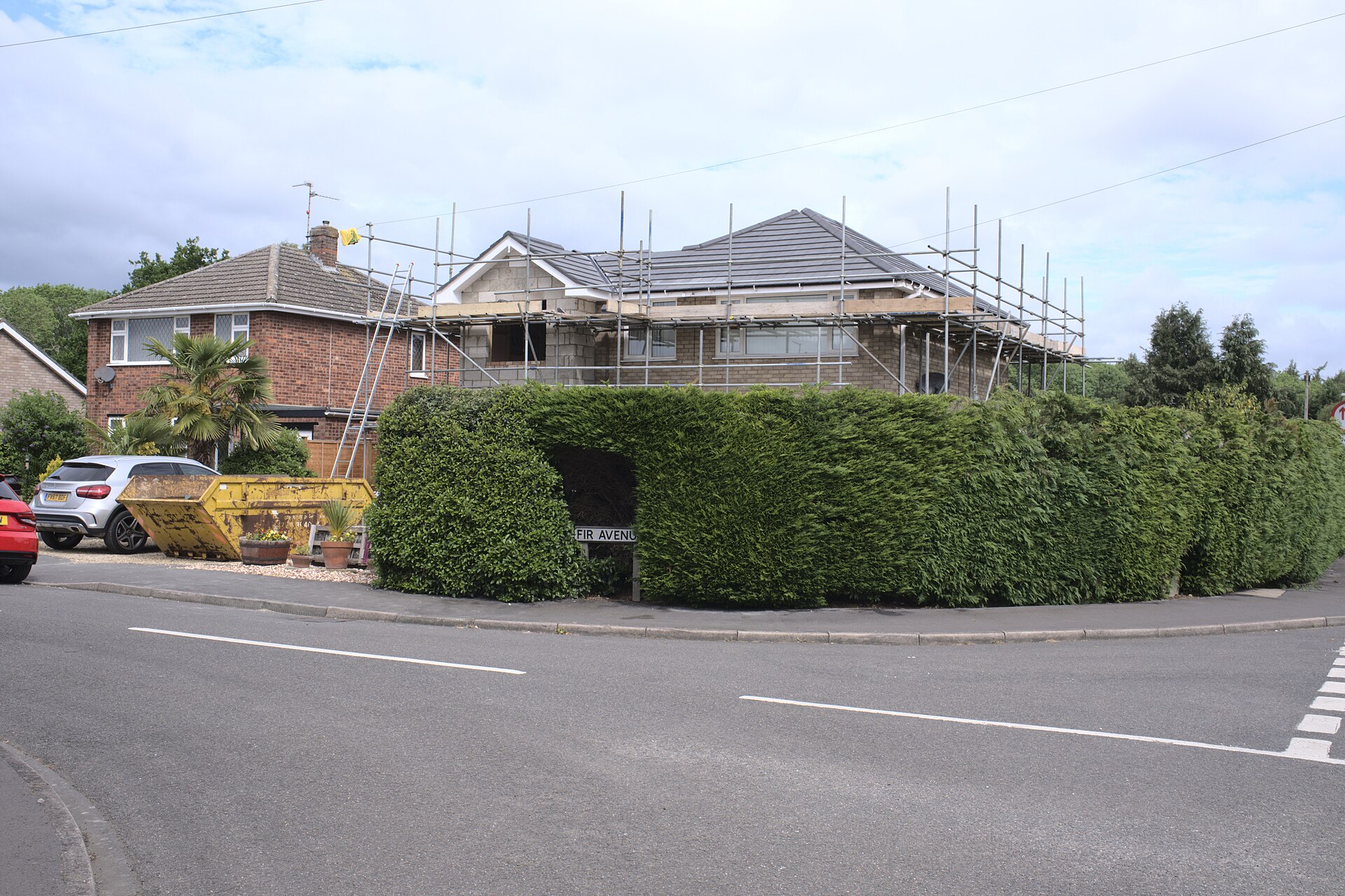
Published 2026 guides put a single-storey rear extension at roughly £1,800–£3,000 per m²: £40,000–£56,000 for 20m², before VAT, kitchen and fees. Two-storey extensions cost more overall; most guides put them lower per m². Size, location, ground conditions and a kitchen move the bill most; budget 10–15% on top for surprises.
How much does a house extension cost?
Every figure below is a published range, read on 24 October 2026, and none is a quote.
| Extension type | Size | Published total | Per m² | Source |
|---|---|---|---|---|
| Single-storey rear | 20m² / 30m² / 50m² | £40,000–£56,000 / £60,000–£84,000 / £100,000–£140,000 | £1,800–£3,000 | Checkatrade, June 2026, ex VAT |
| Double-storey rear | 60m², both floors | £108,000–£180,000 | £1,000–£2,000 (FMB, FAQ up to £2,500); from £1,900 (HOA); £1,800–£3,000 (Checkatrade) | Checkatrade; FMB; HOA (July 2026) |
| Side return / side | about 15m² | No separate total; Checkatrade's 15m² mid-terrace rear is £30,000–£42,000 | £1,800–£3,000 | Checkatrade; HOA |
| Wrap-around (rear plus side) | 30–50m² | No separate total published; our reading: nearest is single-storey 30–50m², £60,000–£140,000 | £1,800–£3,000 | Checkatrade groups it with side extensions |
| Conservatory | 3.5m × 3.5m | £9,000–£18,000 | roughly £750–£1,500 (our arithmetic) | Checkatrade, June 2026 |
| Orangery | 16m² | about £32,500 | about £2,000 (our arithmetic) | Checkatrade, same page |
Three cautions. First, VAT: Checkatrade's headline table says ex VAT, yet its kitchen and garage tables say "Cost + VAT" and its first table is stamped May 2024. FMB says most extension work carries 20% VAT. Ask every quote which it is.
Second, the sources are not three independent votes. HOA's table credits Checkatrade, and FMB's single-storey band is identical, so read £1,800–£3,000 as one data point repeated. Checkatrade's two-storey total works out at the same per-m² band as single-storey, while FMB, HOA and NABC all put two-storey lower per m².
Third, NABC, which also sells builder referrals, runs higher in its October 2025 guide: £2,498–£3,461 per m² single-storey and £2,070–£2,893 two-storey, ex VAT. Its stated 20m² example does not match its own totals (£86,686 ÷ £2,890 is about 30m²), so we use only its per-m² column.
What changes the price?
- Size. A small extension costs more per m² — our house extension cost per m² guide explains why the rate moves. FMB says surveys, scaffolding, foundations, drainage, fees and building control cost much the same whatever the floor area.
- Location. HOA puts a London single-storey extension at £2,300–£3,400 per m². NABC found London about 9% dearer than other regions.
- Ground and access. An FMB member quoted in its guide says buried services are often not where records put them; FMB adds that restricted access raises labour. Checkatrade lists soil type, drains and tree roots.
- Who runs it. Checkatrade says a builder managing the project adds 15–25%.
- Fees outside the build (HOA, 2026): architects 3%–15% of construction cost, a basic structural engineer about £1,000, building regulations £300–£500, a householder planning fee of £258, a lawful development certificate £129, a party wall agreement around £1,000. Checkatrade puts drawings at £350–£950.
A back-of-envelope house extension cost calculator
You do not need a form to get a sensible range. Take the floor area in m², multiply by the low and high per-m² band, then add the lines the band leaves out: kitchen or bathroom, fees, VAT, contingency. Per-m² figures are, as FMB puts it, "only a starting point", not a price.
An illustration, not a quote: a 25m² single-storey rear kitchen-diner outside London. Build costs use Checkatrade's £1,800–£3,000 band and its £2,400 average; the kitchen uses its £15,000–£35,000 add-on. VAT is 20% on the build (FMB); the kitchen add-on already carries VAT in Checkatrade's table. Contingency is 10% (HOA), or 15% at the high end (FMB's range is 10–15%).
| Line | Low | Mid | High |
|---|---|---|---|
| Build, 25m² | £45,000 | £60,000 | £75,000 |
| Kitchen add-on | £15,000 | £25,000 | £35,000 |
| Build with 20% VAT, plus kitchen | £69,000 | £97,000 | £125,000 |
| Fees and approvals | £1,779 | £2,708 | £23,258 |
| Contingency on the subtotal | 10% | 10% | 15% |
| Rough total | £78,000 | £110,000 | £170,000 |
The spread is the point. A simple plan with light fees lands near the bottom; a complex site with an architect, a big kitchen and a party wall agreement lands near the top. Only written quotes narrow it.
What is the most expensive part of a house extension?
The structure. In NABC's 2025 London breakdown (mid benchmark, one example), external walls took 15%, foundations 14.1%, roof 12.3% and steel 8.7%: about half the total. HOA and Checkatrade say two storeys share foundations and roof, which is why the second floor costs less per m².
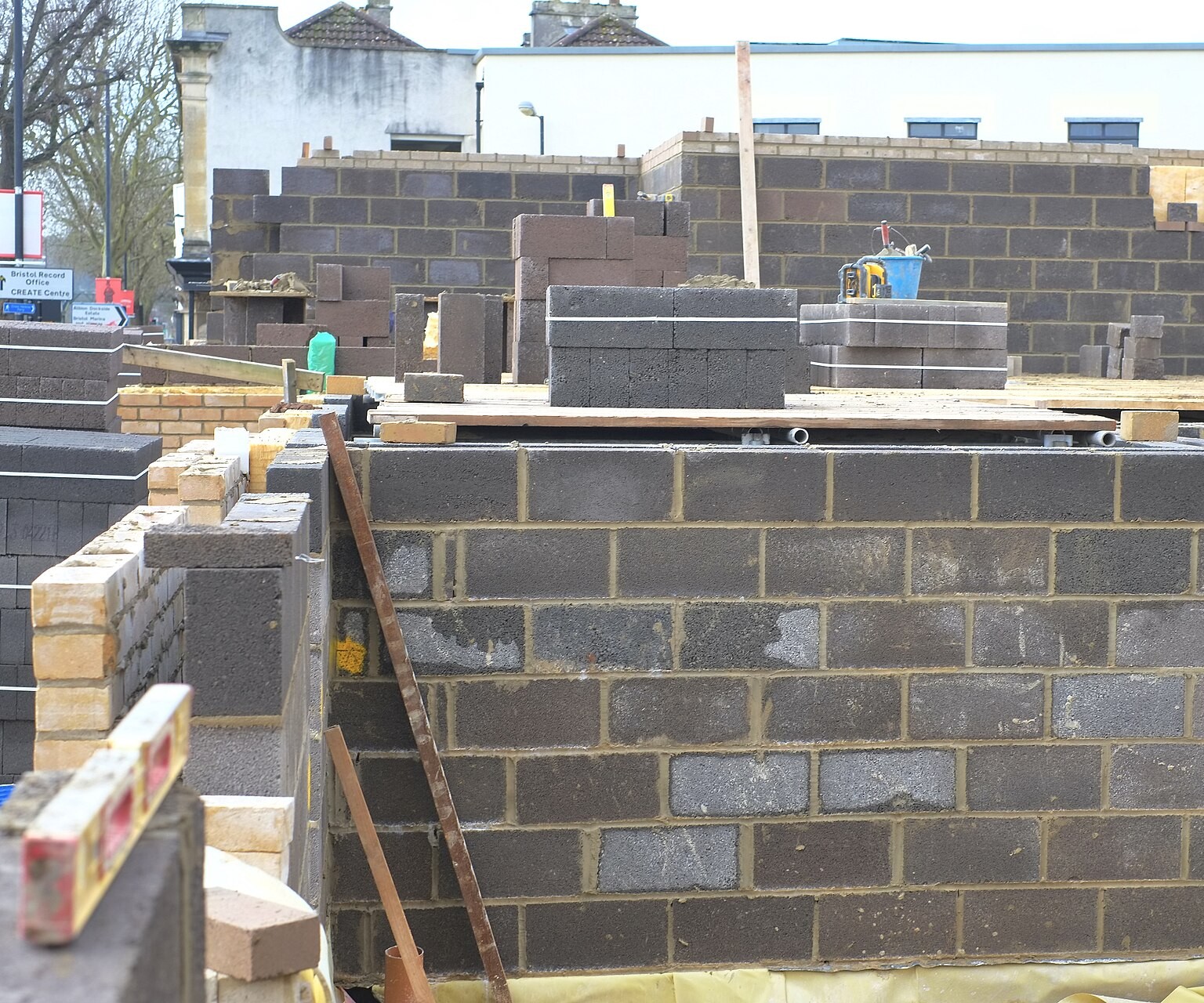
Fit-out comes next. FMB says kitchens and bathrooms cost more because of plumbing, electrics and ventilation. Checkatrade adds £15,000–£35,000 for a kitchen and £5,500–£9,000 for a bathroom. Basements are dearest of all: £100,000–£160,000 for 40m², it says.
Is 50k enough for an extension?
For a plain ground-floor room, yes. Checkatrade's 20m² range is £40,000–£56,000 ex VAT, so £50,000 sits inside it, and 20% VAT on the £48,000 average gives £57,600. Fees and contingency come on top.
For a kitchen-diner or two storeys, usually not. At 30m² the range is £60,000–£84,000 before the kitchen add-on. Treat £50,000 as the budget for a small, simple extension, and be wary of a quote that fits a bigger one inside it.
Can I build an extension for 20k?
Rarely, for a new room attached to the house. At Checkatrade's £1,800 floor, £20,000 buys about 11m² before VAT, fees and finishing; even its shell-only band (£1,200–£1,700 per m², no plastering, glazing or services) gives 12–17m² of unfinished space.
Where £20,000 does work is on existing structure. Checkatrade gives £8,500–£20,000 for a 15m² garage conversion, and £9,000–£18,000 for a conservatory. Ask what any quote under the published floor leaves out.
Do I need planning permission to put an extension on my house?
It depends on your house, your area and the design, so check before you commit. The Planning Portal says many extensions can be built under "permitted development" if specific limits and conditions are met, and that those rules exclude flats and homes where a planning condition or Article 4 direction removes the rights. FMB says the rules it describes apply to England; Scotland, Wales and Northern Ireland have their own systems.
Building regulations are separate. gov.uk says building regulations approval is different from planning permission and "you might need both". gov.uk also has a page on planning permission and one on party walls. Confirm your position with your local planning authority first.
Is it cheaper to extend or buy a new house?
Extending usually costs less than the moving bill alone suggests, but the real comparison is your build cost against the extra price of a bigger house nearby.
HOA puts the 2026 average cost of moving at £13,968 on a £292,000 house, before any price premium: £7,987 buying (stamp duty £4,600, conveyancing, survey, mortgage fees), £5,144 selling (estate agent £4,150) and £837 removals. Stamp duty is charged on bands of the whole price. On gov.uk's rates, a £400,000 purchase carries £10,000 (our arithmetic: 2% on £125,001–£250,000, 5% above).
Against that, a 30m² extension at £60,000–£84,000 ex VAT is a large cheque. It wins if your area's bigger houses cost much more, or you want to stay. Add the disruption: Checkatrade and FMB both put a build at three to six months, with Checkatrade calling delays "very common".
Is a house extension worth it?
In space and convenience, often. As a cash investment, check before you assume.
Checkatrade's value guide puts a single-storey extension at about 5–8% of a home's value and a double-storey at up to about 12%; estimates, not guarantees. Its cost guide still says 10–20%. FMB says value "isn't guaranteed". HOA says a well-designed extension can add more than it costs, without a figure.
On a £300,000 house, 5–8% is £15,000–£24,000 and 12% is £36,000, against £60,000–£84,000 for 30m². That payback is rarely the case on build cost alone. Checkatrade's "ceiling price" warning applies: buyers will not pay beyond what similar homes locally fetch. Ask a local estate agent before you design.
How to keep the final bill honest
Overruns come from three places: unknowns below ground, a scope that grows, and quotes that leave things out. Set aside 10–15% (HOA, FMB) and keep it for surprises, not upgrades. FMB suggests asking each contractor to state whether VAT is included and to list exclusions, assumptions and provisional sums.
Get comparable quotes. HOA suggests asking at least five firms to land three; how many quotes to get covers the like-for-like method. Check the red flags before you sign, take the twelve questions to every meeting, and see how to find a good builder. For day rates, read how much a builder costs.
Who should build it matters, because builders are not licensed. A 2025 HOA and FMB survey found 47% of UK adults believe they are, and no licensing requirement exists. The Guild Standard screens on three public checks: a Google rating of at least 4.6 stars, at least 30 verified reviews, and at least three years of trading.
Next step
Browse vetted builders, then compare their written quotes line by line. For the rates behind the project totals, see how much a builder costs. More cost guides are in our trade costs section.